

⚠ If you are reading this immediately after a storm your most urgent priority is the next 48 hours. Mold begins growing in flood-damaged materials within 24-48 hours. Act fast.
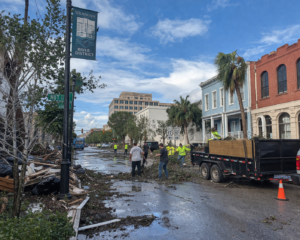
The storm has passed. Now the real work begins. If your Wilmington or New Hanover County property has experienced flooding, wind damage, or storm debris, the next 48 hours are the most critical window for protecting your home from secondary damage particularly mold, which thrives in Wilmington’s warm, humid coastal climate and can turn a manageable flood situation into a catastrophic structural problem if debris is not removed quickly.
This guide covers exactly what to do after a hurricane hits Wilmington NC step by step, in the order that matters most. We have been through the Florence recovery, the Dorian aftermath, and multiple tropical storm cleanups across New Hanover County. Here is what actually works.
First 24 Hours After the Storm Priority Checklist
Work through these steps in order. Do not skip to cleanup before safety is confirmed:
1. Confirm everyone is safe and account for all family members before entering your property.
2. Do NOT enter your home until you have confirmed there are no structural hazards damaged roof, compromised foundation, or gas leaks. If in doubt, wait for a professional assessment.
3. Turn off electricity at the breaker if your home has experienced flooding. Flood-damaged electrical systems are a serious fire and shock hazard. Do not restore power until a licensed electrician has inspected the system.
4. Shut off gas if you smell gas or suspect line damage. Call Piedmont Natural Gas or Duke Energy immediately.
5. Document everything BEFORE you remove anything. Take photos and video of all flood damage, storm debris, and structural damage throughout your property. This documentation is essential for insurance claims and FEMA applications.
6. Call your homeowners insurance company to report damage and ask about the claims process. Ask specifically about debris removal coverage some policies cover it, others do not.
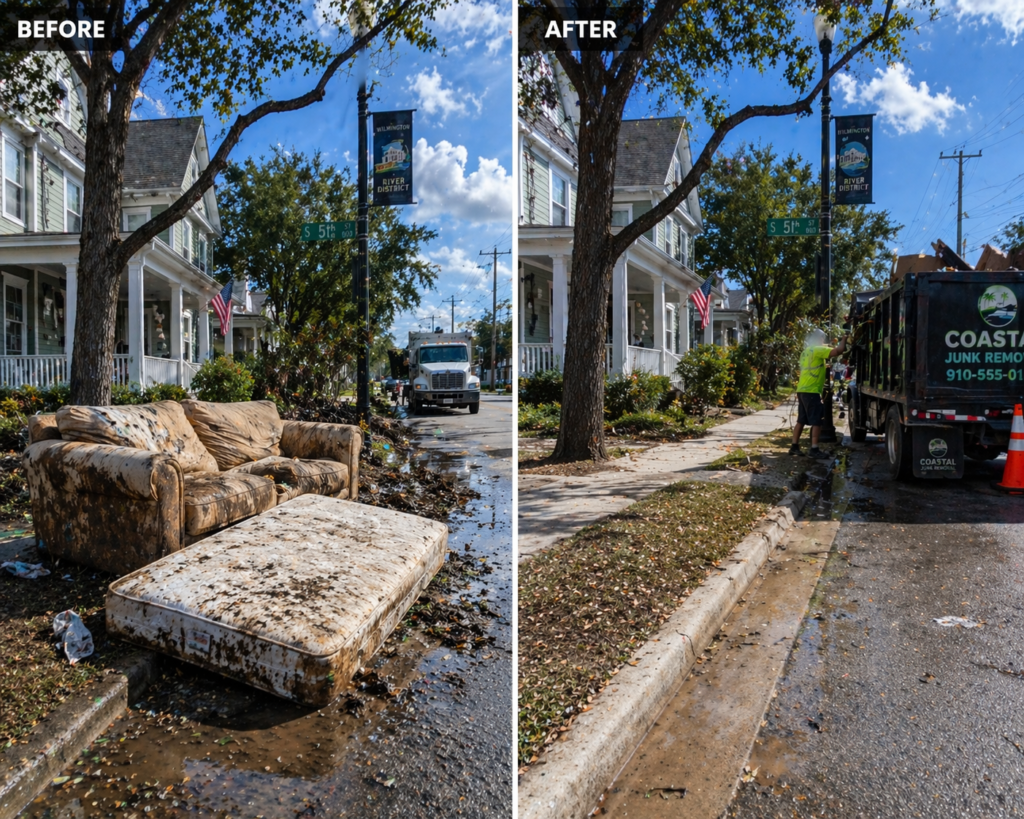
7. Begin removing flood-damaged organic materials immediately furniture, carpeting, drywall, clothing. The 24-48 hour mold window starts from when the flooding occurred, not from when you call.
8. Contact a licensed mold remediation and water damage restoration company to deploy drying equipment as soon as debris removal begins.
⚠ Do NOT wait for your insurance adjuster before removing flood-damaged materials. Most NC homeowners insurance policies require you to take reasonable steps to prevent further damage including debris removal. Waiting for an adjuster while mold develops can complicate your claim.
The 48-Hour Mold Window Why Speed Matters in Wilmington’s Coastal Climate
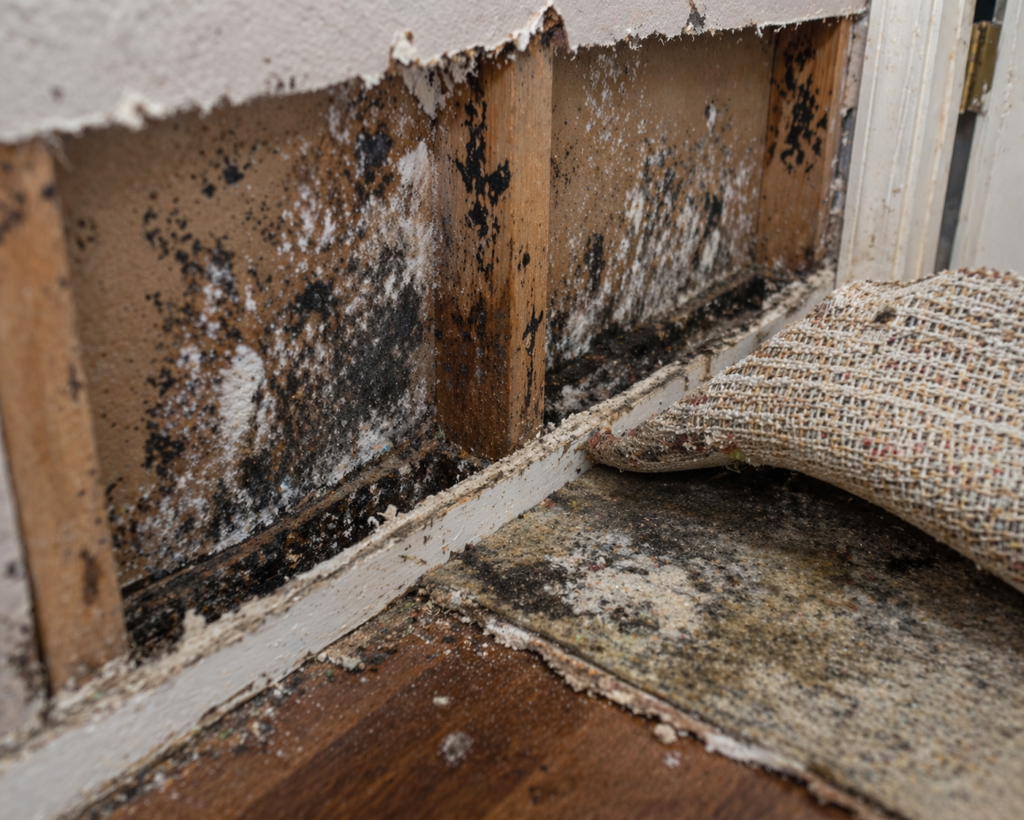
Mold is not a slow problem. In laboratory conditions, mold spores begin colonizing water-saturated organic materials drywall, wood framing, upholstered furniture, carpeting within 24 to 48 hours of exposure to moisture. In Wilmington’s warm, humid coastal climate, this timeline can be even shorter. The Cape Fear region’s combination of high ambient humidity, warm temperatures even in late summer and fall hurricane season, and the additional moisture introduced by flooding creates near-ideal conditions for rapid mold growth.
After Hurricane Florence hit Wilmington in September 2018, restoration contractors across New Hanover County documented widespread mold development in flood-affected properties where debris removal was delayed by even two to three days. Properties where flood-damaged furniture, carpet, and drywall were removed within the first 24 to 48 hours and drying equipment was immediately deployed fared dramatically better than properties where cleanup was delayed even when the total flood water depth was similar.
What to Remove Immediately to Stop Mold
• Upholstered furniture sofas, mattresses, chairs, and cushions that have been in contact with floodwater are almost always unsalvageable and must be removed immediately. Upholstery absorbs and retains water, becoming a mold incubator within hours.
• Carpeting and carpet padding remove all flood-affected carpet and padding immediately. Carpet padding is particularly problematic as it retains water underneath the carpet surface where it is invisible but actively growing mold.
• Wet drywall drywall that has been saturated with floodwater must be cut out and removed. The gypsum core of drywall is a primary mold food source, and saturated drywall cannot be dried in place effectively.
• Wet insulation fiberglass batt insulation that has been saturated loses its insulating properties and becomes a mold-harboring sponge. Remove and discard all flood-affected insulation.
• Cardboard boxes and paper materials any cardboard, paper, or fabric materials in flood-affected areas should be removed and discarded unless they contain irreplaceable documents.
→ Emergency storm debris removal same day response
Insurance Claims and FEMA What Wilmington Homeowners Need to Know
Document Before You Remove But Do Not Wait to Remove
The most important rule for insurance purposes is to thoroughly document all damage with photos and video BEFORE removing any debris or damaged materials. Walk through every room, photograph all flood damage from multiple angles, document the water line on walls, photograph damaged appliances and furniture in place, and capture the full extent of debris throughout your property. Then begin removal immediately do not wait for an insurance adjuster to visit before removing flood-damaged materials that pose an immediate mold risk.
What Your Homeowners Insurance May Cover
• Storm damage to the structure wind damage, roof damage, window damage, structural damage from fallen trees are typically covered under standard homeowners policies.
• Personal property damage flood-damaged furniture, appliances, and belongings may be covered depending on your policy. Check your policy for flood vs wind damage exclusions.
• Debris removal many policies include a debris removal provision that covers the cost of removing storm debris from your property. Ask your insurer specifically about this coverage.
• Additional living expenses if your Wilmington home is uninhabitable due to storm damage, your policy may cover temporary housing costs.
What Standard Homeowners Insurance Does NOT Cover
Standard homeowners insurance in North Carolina does NOT cover flood damage. Flood damage water that enters from outside the structure due to flooding, storm surge, or rising water is covered only by separate flood insurance through the National Flood Insurance Program (NFIP). If your Wilmington property does not have separate flood insurance and experienced flooding, your standard homeowners policy will not cover flood-related losses. This is one of the most painful post-hurricane discoveries for North Carolina homeowners.
FEMA Individual Assistance New Hanover County History
When a major disaster declaration is issued for New Hanover County which has happened following several significant storm events including Hurricane Florence FEMA Individual Assistance programs become available to help homeowners and renters with losses not covered by insurance. The FEMA assistance application window opens after a presidential disaster declaration and typically runs for 60 days from the declaration date. Apply as early as possible waiting until late in the application window can result in processing delays. Keep all debris removal receipts and contractor documentation as FEMA may require proof of damages and expenses.
Post-Storm Debris Removal Priority Order in Wilmington NC
Not all storm debris is equally urgent. Work through removal in this priority order to minimize damage while managing your resources effectively:
| Priority | What | Why Urgent |
| 1 URGENT | Flood-damaged organic materials | Mold begins in 24-48 hours sofas, mattresses, drywall, carpet, insulation. Remove before anything else. |
| 2 URGENT | Flood-damaged appliances | Electrical hazard if power restored. Refrigerants. Remove before power restoration. Common post-Florence situation in Wilmington. |
| 3 SAME DAY | Fallen trees blocking access | Safety hazard and prevents other contractors from reaching your property for remediation work. |
| 4 WITHIN 48 HRS | Destroyed outdoor structures | Damaged sheds, fences, and outbuildings create ongoing injury hazards and secondary damage risk to adjacent structures. |
| 5 WITHIN A WEEK | Storm roofing and construction debris | Shingles, lumber, and building materials left by wind damage. Clear to allow repair crews access. |
| 6 AS NEEDED | General yard and outdoor debris | Branches, scattered items, outdoor furniture. Important but not as time-sensitive as interior flood debris. |
→ See what storm debris we remove in Wilmington
Hiring Storm Debris Removal After a Hurricane in Wilmington NC What to Look For
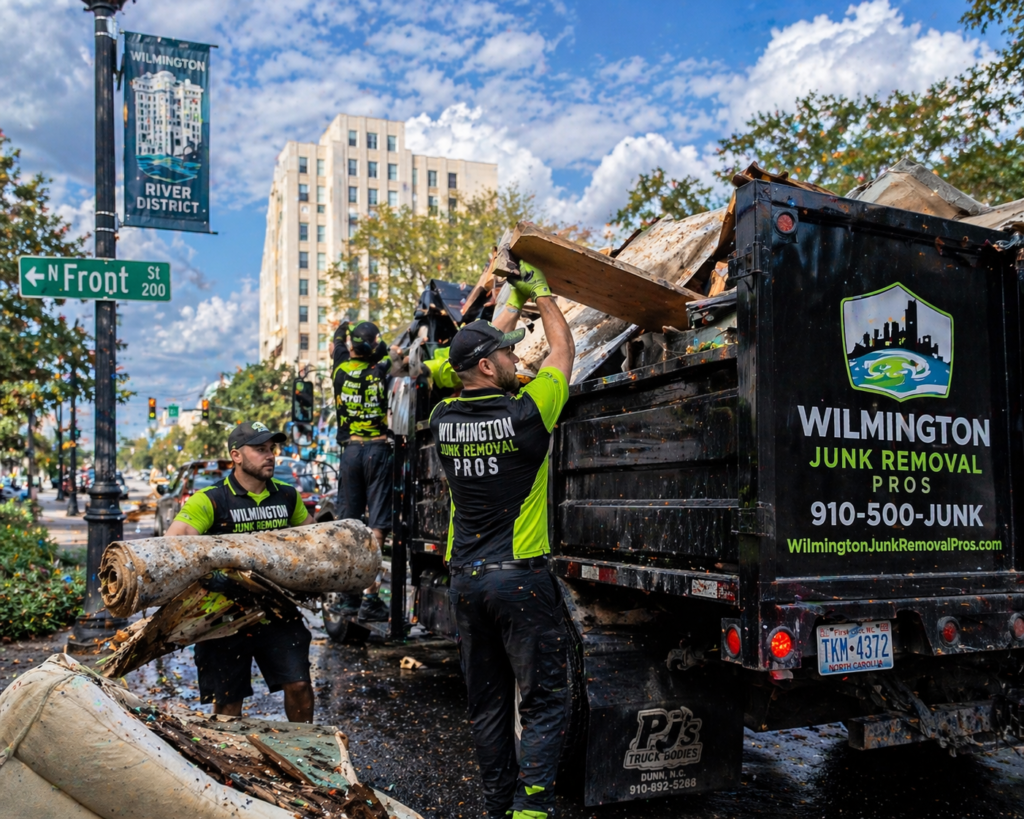
After every major hurricane in Wilmington, unlicensed contractors and storm-chasing haulers flood into New Hanover County from other states offering below-market debris removal. While the low prices are appealing when you are dealing with storm stress and financial pressure, hiring an unlicensed storm chaser creates serious risks:
Red Flags to Avoid After a Hurricane
• No local address or phone number legitimate Wilmington junk removal companies have a verifiable local presence. Out-of-state contractors who appear after storms often have no accountability once they leave.
• No proof of insurance if an unlicensed hauler damages your property during debris removal, you have no recourse. A licensed and insured company carries liability coverage that protects your property throughout the job.
• Cash only, no receipt proper debris removal documentation is essential for insurance claims and FEMA applications. A company that refuses to provide receipts is a company you cannot use for insurance documentation.
• No refrigerant certification hauling flood-damaged refrigerators and AC units without proper refrigerant recovery certification violates federal Clean Air Act regulations. Fines and liability can fall on the property owner if improperly certified disposal is documented.
• Disposal that does not comply with New Hanover County regulations improperly disposed storm debris particularly contaminated floodwater materials can result in fines under NC environmental regulations.
Why Local Matters More Than National After a Storm
After Hurricane Florence, national junk removal chains that serve Wilmington had dispatch centers overwhelmed by requests from across the entire Southeast. Local teams with established Wilmington presence were able to respond within hours while national chain customers waited days. Local companies also have direct relationships with New Hanover County disposal facilities, know the specific post-disaster regulations that apply in the county, and have the community accountability that temporary storm-chasing contractors lack.
→ Our storm & hurricane debris removal service
Post-Hurricane Checklist for Wilmington Beach Property and Vacation Rental Owners
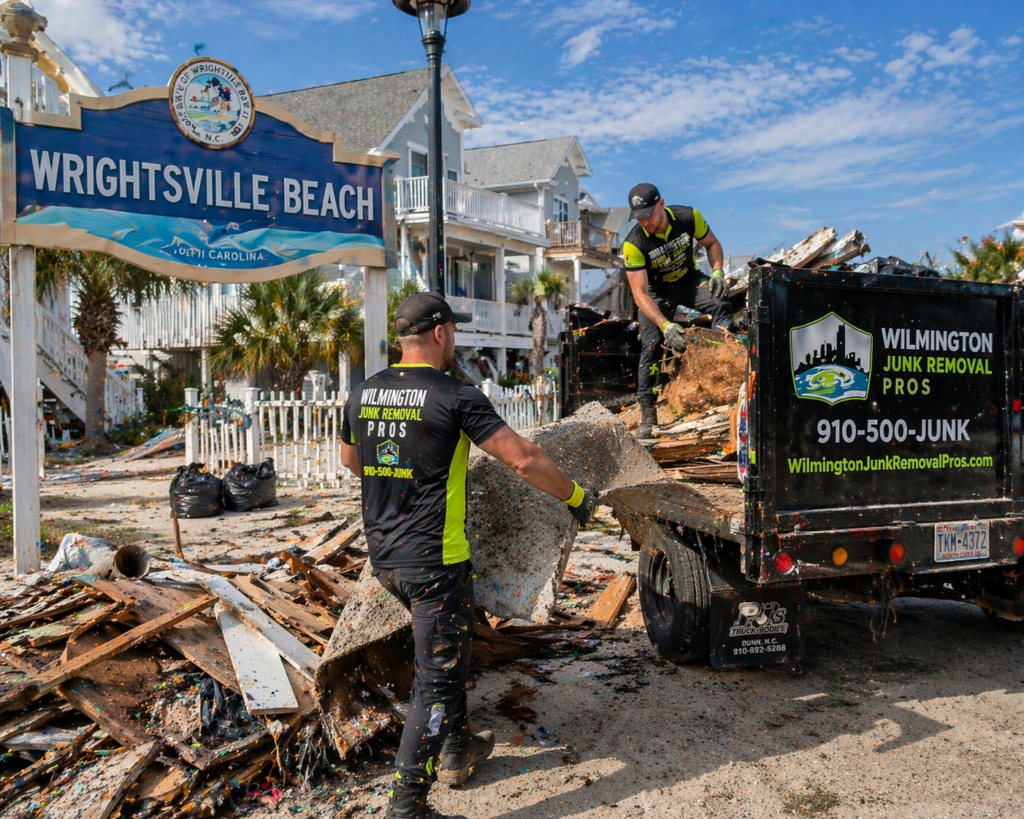
If you own a vacation rental or beach property on Wrightsville Beach, Carolina Beach, or Kure Beach and experienced a major storm while away from Wilmington, your post-hurricane checklist has additional steps that mainland property owners do not face:
Immediate Remote Actions Before You Can Get to the Property
• Contact your property manager immediately to request a post-storm walkthrough and damage assessment as soon as conditions are safe and the bridge is open.
• Check with the town of Wrightsville Beach or Carolina Beach municipal websites for bridge and road access status barrier islands may be closed to non-residents for days following a major storm.
• Contact your vacation rental platform (Airbnb, VRBO) to report potential damage and initiate any applicable cancellation or refund protocols for upcoming bookings.
• Call your property insurance company to report damage and initiate the claims process do not wait until you can physically visit the property.
• Arrange debris removal in advance contact a Wilmington debris removal company before traveling so they can respond immediately once access is available.
When You Can Access the Property
• Document all damage with photos and video before removing anything.
• Arrange immediate removal of flood-damaged furniture and appliances the mold clock is ticking on beach properties too, and Pleasure Island’s coastal humidity makes mold development especially rapid.
• Request before-and-after photo documentation from your debris removal team for insurance purposes.
• Contact your cleaning crew to assess the property for guest readiness once debris removal and remediation are complete.
→ Beach home post-storm cleanout service
→ Storm debris removal Wrightsville Beach, Carolina Beach, Kure Beach
Post-Hurricane Wilmington NC Frequently Asked Questions
How soon after a hurricane should I remove debris from my Wilmington home?
Immediately as soon as conditions are safe to enter your property. For flood-affected properties, the 24 to 48-hour window for removing organic materials like furniture, carpet, and drywall is critical for preventing mold. In Wilmington’s warm, humid coastal climate, mold colonizes saturated materials faster than in drier inland cities. Do not wait for an insurance adjuster before removing flood-damaged materials that pose an immediate mold risk document everything with photos first, then remove without delay.
Does FEMA cover debris removal after a hurricane in Wilmington NC?
FEMA’s Individual Assistance program which becomes available when New Hanover County receives a presidential disaster declaration can cover some debris removal costs that are not covered by homeowners insurance. However, standard FEMA debris removal programs primarily cover public rights-of-way rather than private property. For private property debris removal, your homeowners insurance policy’s debris removal provision is the primary coverage to pursue. Keep all receipts from licensed debris removal companies as documentation for both insurance claims and FEMA applications.
Can I remove flood-damaged items before my insurance adjuster visits?
Yes and in most cases you should. Most North Carolina homeowners insurance policies require you to take reasonable steps to prevent further damage after a covered loss. Removing flood-damaged materials that would cause secondary mold damage if left in place is generally considered a reasonable mitigation step. Photograph and video document all damage thoroughly before removing anything, keep receipts for all debris removal work, and notify your insurance company of the damage as soon as possible. Waiting for an adjuster while mold develops can actually harm your claim by increasing the total damage scope.
How do I find licensed storm debris removal in Wilmington after a hurricane?
Verify that any company you hire has a verifiable local Wilmington address, carries liability insurance, provides written receipts, and is familiar with New Hanover County post-disaster disposal regulations. After major hurricanes, unlicensed storm chasers flood into Wilmington from other states these operators often have no local accountability, may not carry insurance, and may not dispose of materials in compliance with NC environmental regulations. A local, established Wilmington company with a track record in the community is always the safer choice regardless of price.
→ Our storm debris removal service licensed & insured in NC
What is the difference between wind damage and flood damage for insurance purposes?
This distinction is critically important for Wilmington homeowners. Wind damage roof damage, broken windows, structural damage from falling trees, and items inside damaged by rain that enters through a storm-damaged roof is typically covered under standard homeowners insurance. Flood damage water that enters from outside the structure due to flooding, storm surge, or rising water is NOT covered by standard homeowners insurance and requires separate flood insurance through the National Flood Insurance Program. Many Wilmington homeowners discovered this distinction painfully after Hurricane Florence.
Need Emergency Storm Debris Removal in Wilmington NC?
We respond within hours after hurricanes and tropical storms across all of Wilmington and New Hanover County. Call now every hour matters after flooding.